
Booking a flight to the United States is rarely a simple “click and go” decision. Fares swing wildly depending on the week, the airline’s revenue algorithm, and even the day you hit “purchase.” If you’re planning a trip to the USA from anywhere in the world, timing your booking correctly can be the difference between a great deal and an overpriced ticket. This guide breaks down exactly when to book, what a realistic USA trip costs, where to stay, what to do, and the mistakes most first-time visitors make.
-
THE BOOKING SWEET SPOT
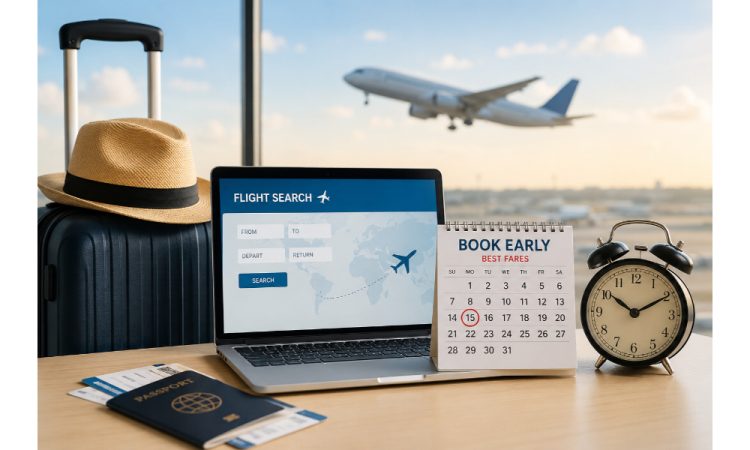
For long-haul international routes into the USA, the widely accepted booking window is 3 to 6 months before departure. Book earlier than 7–8 months and airlines haven’t released their best promotional fares yet. Book later than 3 weeks before travel and you’re firmly in “last-minute tax” territory, where prices spike sharply.
- Peak season (June–Aug, Dec): book 5–6 months ahead — gateway-city seats sell out fast.
- Off-peak (Feb–Apr, Sept–Nov): 2–3 months is enough, and fares run 20–30% lower.
- Tuesday/Wednesday bookings often catch early-week fare sales.
- Avoid booking on Fridays or around major holidays — demand spikes push algorithmic pricing up.
Set fare alerts 6 months out, then track weekly. If a fare matches or beats the average inside your window, book it — prices to the USA rarely fall further once you’re inside 30 days.
-
BEST TIME TO VISIT THE USA
| Region | Best Months | Why |
| East Coast (NYC, Boston, DC) | Apr–Jun, Sep–Oct | Mild weather, fewer crowds |
| West Coast (California) | Mar–May, Sep–Nov | Avoids summer crowds |
| National Parks | May–Sep | Trails & roads fully open |
| Florida / South | Nov–Apr | Avoids humidity & hurricanes |
Shoulder seasons (spring and fall) consistently offer the best mix of good weather, thinner crowds, and cheaper flights.
-
COSTS & BUDGET BREAKDOWN (10 DAYS)
| Category | Budget Range |
| International flight | $700 – $1,400 round trip |
| Domestic flights/trains | $150 – $400 |
| Accommodation | $40 – $180 / night |
| Food | $15 – $60 / day |
| Local transport | $10 – $20 / day |
| Attractions | $20 – $60 / day |
| Total (excl. flight) | $1,200 – $2,200 / person |
Budget travelers can trim this to under $1,000 using hostels, cooking, and public transit; luxury travelers can easily double it with boutique hotels and fine dining.
-
WHERE TO STAY
- Hotels – convenient and consistent, especially downtown.
- Airbnb/rentals – better value for longer stays or groups.
- Hostels – common in gateway cities; great for solo budget travel.
- Motels – affordable and plentiful for road trips along interstates.
For first-time visitors, staying near a metro or subway line saves significantly on transport costs and time.
-
THINGS TO DO
- Walk Central Park and catch a Broadway show in New York City.
- Drive the Pacific Coast Highway in California.
- Explore the Smithsonian museums in Washington, D.C. — most are free.
- Hike the rim trails at the Grand Canyon.
- Experience live music and food culture in New Orleans or Nashville.
- Visit a national park like Yosemite, Zion, or the Great Smoky Mountains.
-
HIDDEN GEMS
- Marfa, Texas – a quirky desert art town off the tourist grid.
- Acadia National Park, Maine – coastal cliffs without Yellowstone-level crowds.
- Asheville, North Carolina – breweries, mountains, arts scene.
- The Palouse, Washington/Idaho – rolling wheat-field hills.
- Route 66 small towns – diners and roadside history most tourists skip.
-
COMMON MISTAKES TOURISTS MAKE
| Mistake | Why It Hurts |
| Underestimating distances | “Quick” road trips can eat a full day |
| Forgetting to budget tips | 15–20% expected at restaurants/services |
| Booking flights too late | Fares can double inside 3–4 weeks |
| Ignoring ESTA/visa rules | Even visa-waiver countries need ESTA |
| Overpacking the itinerary | Both coasts in 10 days = rushed, tiring |
| Ignoring sales tax | Displayed prices exclude tax (0–10%+) |
-
LOCAL TIPS & RECOMMENDATIONS
- Use Google Maps/Transit apps for real-time public transport.
- Download airline apps for gate-change alerts — US airports shuffle gates often.
- Carry a copy of your ESTA/visa approval and return ticket for immigration.
- An America the Beautiful annual park pass pays off after 3–4 park visits.
- Trader Joe’s/Whole Foods offer budget-friendly, good-quality food.
-
PROS & CONS
| Pros | Cons |
| Enormous diversity of landscapes & cities | High costs in major cities (NYC, SF, LA) |
| Excellent flight & highway infrastructure | Tipping adds a hidden 15–20% to bills |
| English-speaking, easy for first-timers | ESTA/visa paperwork, long immigration lines |
| Endless variety of regional experiences | Vast distances cost extra time & money |
-
FAQ
| Question | Answer |
| Cheapest time to book? | 4–6 months out, ideally Tue/Wed, avoiding summer & December dates. |
| Do I need a visa? | Depends on nationality — many countries only need ESTA; others need a B1/B2 visa. |
| Cheaper to fly into a smaller airport? | Sometimes — but factor in the cost/time of connecting onward. |
| How many days for a first trip? | 10–14 days is enough for one region done properly. |
| Is travel insurance necessary? | Yes — US medical costs are among the world’s highest. |