
Smarter Campsite Organization: Practical Ways to Pack, Transport, and Manage Outdoor Gear

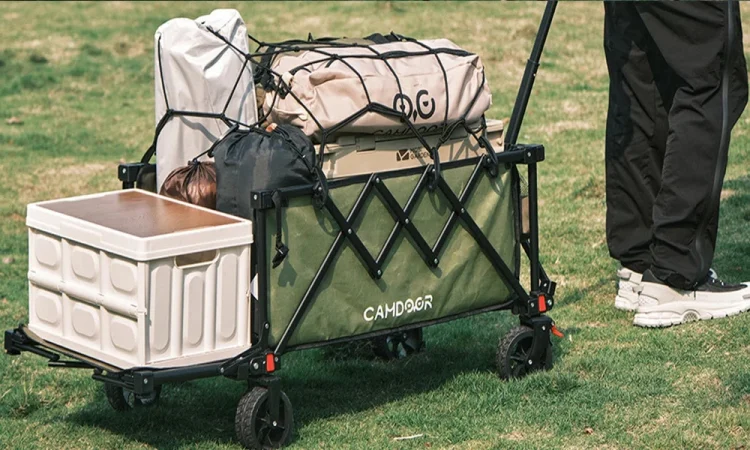
Camping is an excellent way to escape everyday routines, explore nature, and spend quality time outdoors. However, organizing camping equipment can become challenging, especially when traveling with family or carrying multiple items. Tents, chairs, cooking supplies, sleeping bags, and food containers can quickly create a heavy load. Without proper planning, transporting everything from your vehicle to the campsite may become one of the most exhausting parts of the trip.
One practical way to simplify outdoor preparation is by using equipment designed for convenient transportation. A durable キャンプ カート can help campers move bulky supplies, reduce repeated trips, and keep essential items organized. Whether preparing for a weekend camping adventure, a picnic, or a family outing, an outdoor wagon can make transporting equipment more manageable and efficient.
The Challenge of Managing Camping Equipment
A successful camping trip requires several types of equipment, and each item serves a different purpose. While packing may seem straightforward at home, moving supplies across a large campsite can present unexpected difficulties.
For example, carrying a tent in one hand, folding chairs in another, and additional bags over your shoulders can become uncomfortable. Uneven terrain, long walking distances, and unpredictable weather may make transportation even more challenging.
Planning how equipment will be packed, transported, and stored helps prevent unnecessary physical strain and saves valuable time.
Start With a Practical Camping Packing Strategy
Separate Equipment Into Categories
Before leaving home, organize camping supplies into clear categories.
Keep sleeping equipment, cooking utensils, food supplies, clothing, and recreational accessories in separate bags or containers.
This approach makes essential items easier to locate and prevents unnecessary unpacking.
Prioritize Frequently Used Items
Items such as drinking water, flashlights, sunscreen, and first-aid supplies should remain easily accessible.
Avoid placing frequently needed equipment beneath heavy tents or large storage containers.
Keeping essential supplies within reach makes campsite setup and daily activities more convenient.
Distribute Weight Carefully
Heavy equipment should be positioned low and evenly distributed during transportation.
Avoid stacking unstable objects that could shift or fall while moving.
Proper weight distribution improves balance and reduces the likelihood of damaged equipment.
Why an Outdoor Wagon Can Improve Camping Efficiency
Fewer Trips Between Your Vehicle and Campsite
Transporting camping supplies individually often requires several journeys.
An outdoor wagon allows multiple items to be moved together, reducing unnecessary walking and making setup more efficient.
This can be particularly helpful when camping with children or transporting bulky recreational equipment.
Easier Transportation of Large Items
Folding chairs, blankets, coolers, and storage containers can be awkward to carry by hand.
A suitable wagon provides a dedicated space for moving these items together.
However, always check the manufacturer’s recommended load capacity and avoid overloading the equipment.
Convenient Storage and Portability
Many outdoor wagons feature folding designs that make them easier to store when not in use.
Compact storage can be especially useful for campers with limited vehicle space.
Before purchasing, consider the folded dimensions, overall weight, and ease of assembly.
Choosing Equipment That Matches Your Camping Environment
Consider Wheel Design and Terrain
Different camping locations present different transportation challenges.
Large wheels may perform better on certain uneven surfaces, while smaller wheels are often suitable for firm, smooth pathways.
Wheel performance also depends on tire width, construction, load weight, and ground conditions.
For sandy, muddy, or rocky campsites, verify that the wagon is suitable for the expected terrain.
Check Frame Strength and Fabric Quality
A reliable outdoor wagon should have a stable frame and durable carrying material.
Look for secure joints, reinforced fabric, and practical handles that support comfortable movement.
Inspect the wagon before each trip for loose components or visible damage.
Evaluate Storage Capacity
Consider the quantity and dimensions of equipment you usually transport.
A wagon that is too small may require repeated trips, while an unnecessarily large model may occupy valuable storage space.
Choose a size that balances carrying capacity with portability.
Simple Campsite Organization Tips That Save Time
Once your equipment reaches the campsite, maintaining an organized layout can improve convenience throughout your stay.
Create designated storage areas: Keep cooking supplies, sleeping equipment, and recreational items in separate locations.
Use labeled containers: Clearly marked storage boxes make it easier to locate smaller accessories.
Protect equipment from moisture: Store sensitive items in waterproof bags or covered containers.
Keep pathways clear: Avoid placing bags, ropes, and equipment where people frequently walk.
Pack items after use: Returning equipment to its designated location helps prevent clutter and misplaced belongings.
These small habits make campsite management more efficient and enjoyable.
Common Mistakes to Avoid When Transporting Outdoor Gear
Even well-prepared campers can encounter difficulties when moving equipment.
One common mistake is overloading transportation equipment beyond its recommended capacity. Excessive weight can affect stability and potentially damage wheels or frames.
Another mistake is placing heavy objects above lightweight supplies, increasing the risk of items shifting during movement.
Campers should also avoid pulling loaded wagons across unsuitable terrain without checking ground conditions.
Finally, never leave equipment unsecured on slopes, and do not use a utility wagon to transport children unless the manufacturer specifically approves that use.
Conclusion
Efficient campsite organization begins with thoughtful packing, appropriate transportation equipment, and practical storage habits. By categorizing supplies, distributing weight carefully, and keeping essential items accessible, campers can reduce unnecessary effort and spend more time enjoying outdoor activities.
A well-chosen outdoor wagon can simplify the movement of bulky equipment, particularly during family camping trips and outdoor gatherings.
With a little preparation and the right organizational approach, setting up camp becomes easier, more convenient, and far less stressful.