
Introduction
Morocco is a very famous country with cultural diversity and traditions. Morocco cultural tours allow travelers to explore the country further and its famous tourist attractions. You can experience their cultural traditions and local daily life during this tour.
This tour offers a unique experience for all kinds of tourists. These tours provide a deeper understanding of Morocco’s culture and people.
Discover Berber Traditions in the Atlas Mountains
Berber communities, also known as Amazigh society, have lived in North Africa for thousands of years. They have a rich cultural heritage, including remote languages, skills, and music. The Atlas Mountains are among the best places to find Amazigh traditions. Travelers can explore local ventures and learn about mountain history. Some experiences also include traditional music and writing.
Visitors can uncover various aspects of barber traditions during Morocco Tours:
1. Tradition:
You can visit the cultural monuments, buildings, and apartments.
2. Handmade Products:
You can explore the handmade products made by local artists.
3. Traditional music:
You can also experience the local music.
These experiences help travelers appreciate the culture that contributes to shaping Moroccan identity.
Experience Authentic Moroccan Food
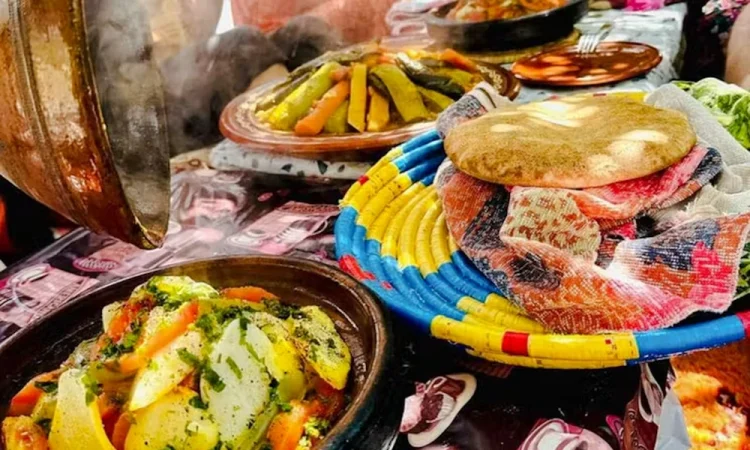
Food is a fundamental part of Moroccan culture. It indicates the country’s Amazigh, Arab, Andalusian, and various regional influences. Moroccan meat combines aromatic spices, new ingredients, and traditional cooking methods. A cultural tour offers opportunities to try local cuisines and learn about what they are used for. Visitors can try food in local homes, restaurants, and local markets.
Tagine is one of Morocco’s best-known recipes. It is slowly cooked in a distinctive mud pot. Couscous is another popular dish. Families often have social gatherings on Friday and at special occasions. It usually holds steamed grains, legumes, and core or additional additions.
1. Moroccan mint beverage:
Learn about the preparation and portion of this favorite drink.
2. Freshly baked goods:
Discover traditional baking recipes made in ovens.
3. Local market visits:
Explore stalls selling spices, dates, and other products.
4. Cooking classes:
Prepare traditional dishes with guidance from local cooks.
5. Regional specialities:
Taste dishes that indicate the ingredients and habits of various parts of Morocco.
Food experiences offer more than just pleasing food. They also show how Moroccans revel, welcome guests, and maintain family ethics.
Moroccan Village Life
They allow travelers to experience local customs beyond active tourist spots. In the Atlas Mountains, clients may learn about traditional horticulture practices. These organizations frequently support traditional arts and determine income opportunities for society members.
Travelers can also enjoy the local food. Sharing food helps to learn about household customs and regional foods. Respect is essential throughout these visits. Always take permission before photographing people or entering private rooms.
Moroccan Arts and Crafts
Traditional arts and crafts are spread across the country. Travelers can also find leather-work, wood inscription, embroidery, and metalwork. Some tours also include the workshops. Buying directly from artisans can support local trades. It likewise gives visitors a significant connection to the country’s enlightening heritage.
Conclusion
By tasting local meals, meeting artisans, and hearing stories from local guides, travelers can create a deeper appreciation of Moroccan culture. These meaningful experiences make a trip or tour more noteworthy and help maintain the traditions that make Morocco unique.